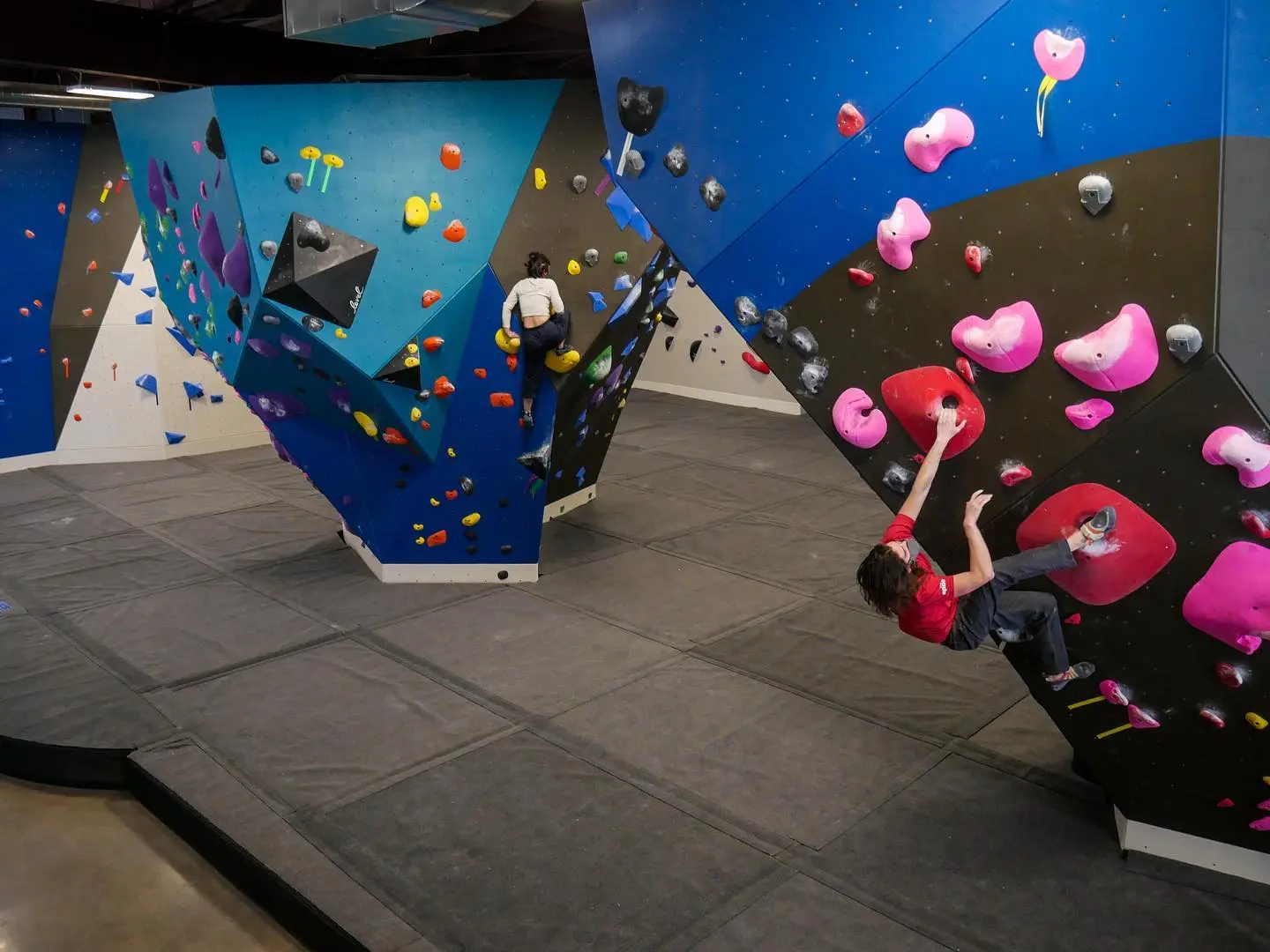
Indoor climbing is often seen as an exhilarating physical challenge, but what many people don’t realize is that it is also an exceptional mental workout. As climbers navigate walls, tackle difficult routes, and decide their next moves, they are constantly engaging in problem-solving. This makes indoor climbing not only a great way to build physical strength but also a powerful way to enhance cognitive abilities. Whether you’re new to the sport or a seasoned climber, you’ll soon find that the skills you develop on the wall—such as strategic thinking, creative problem-solving, adaptability, and decision-making—are directly applicable to everyday life.
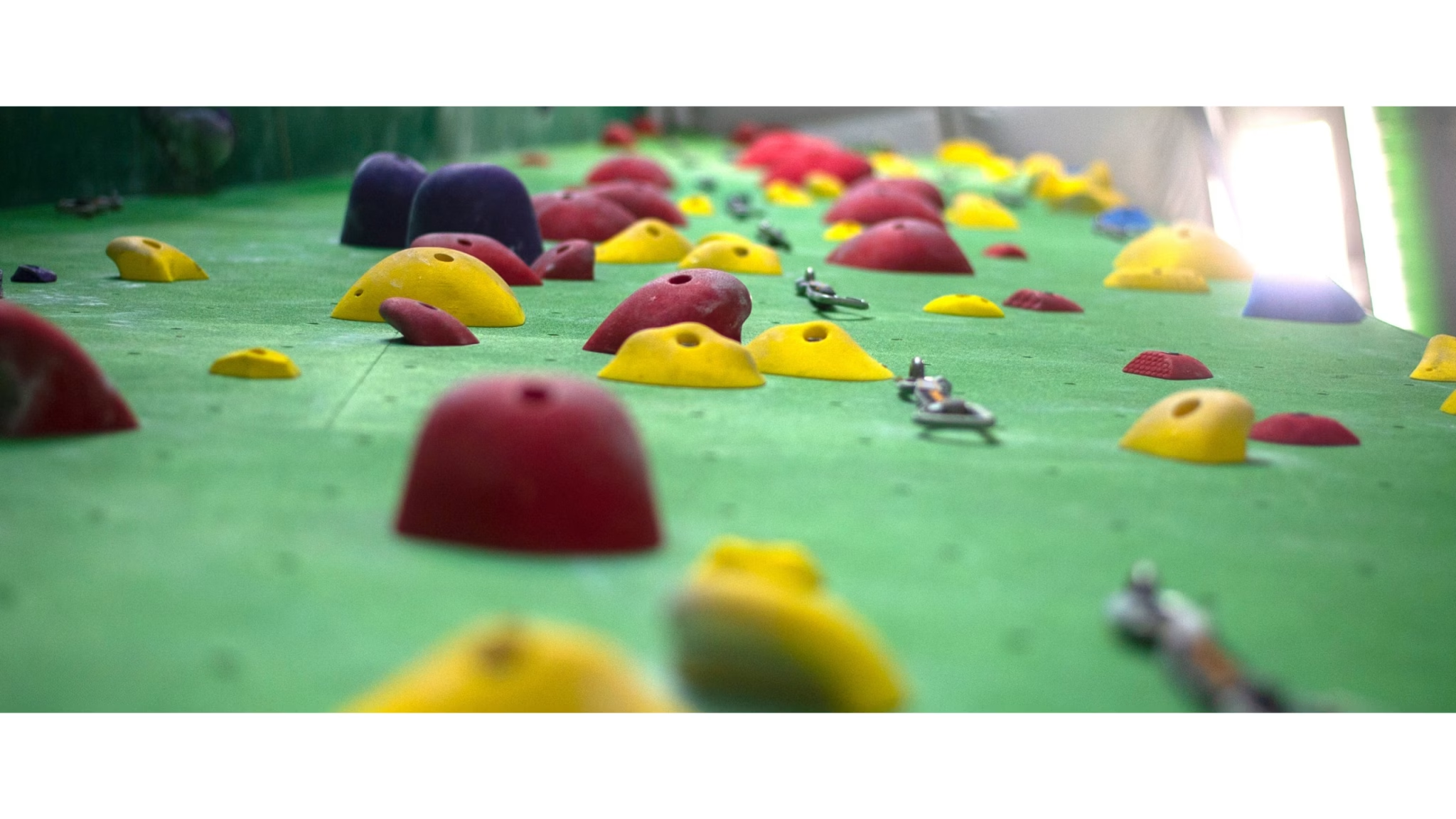
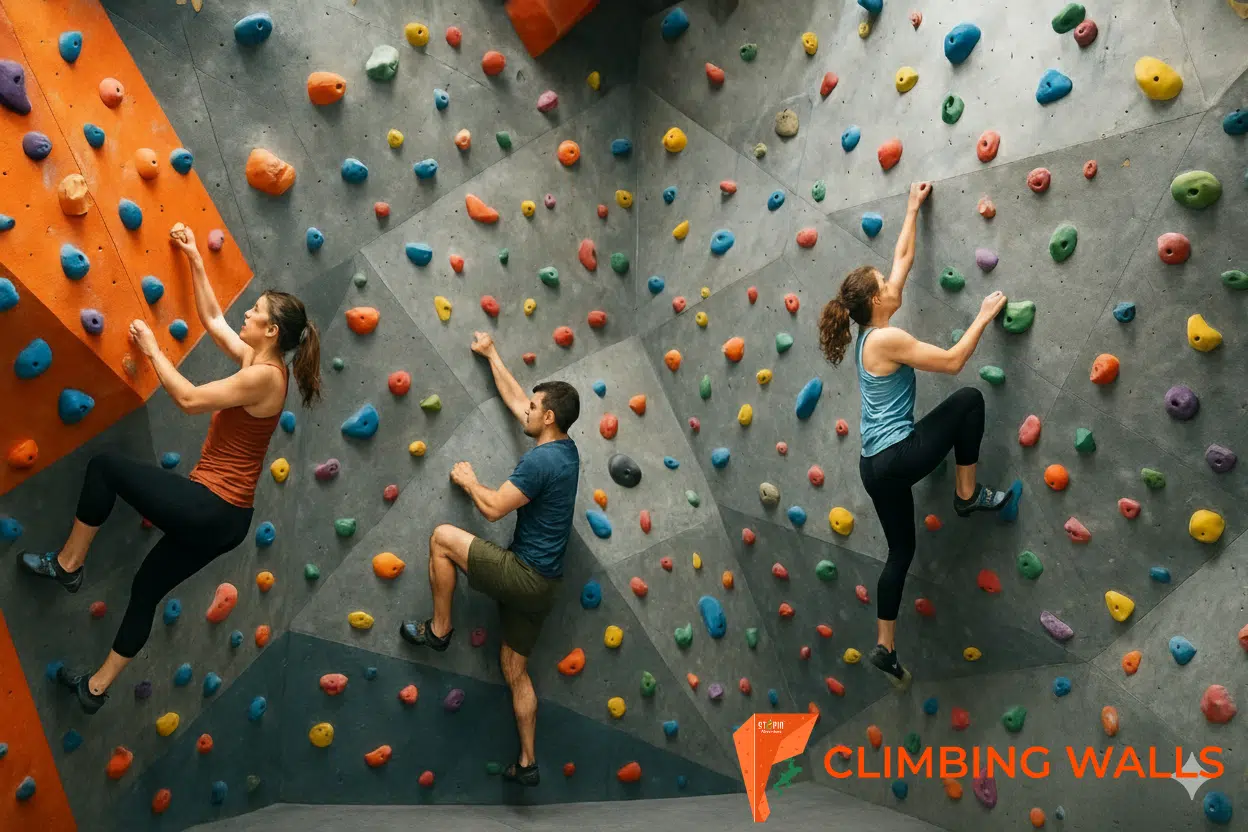
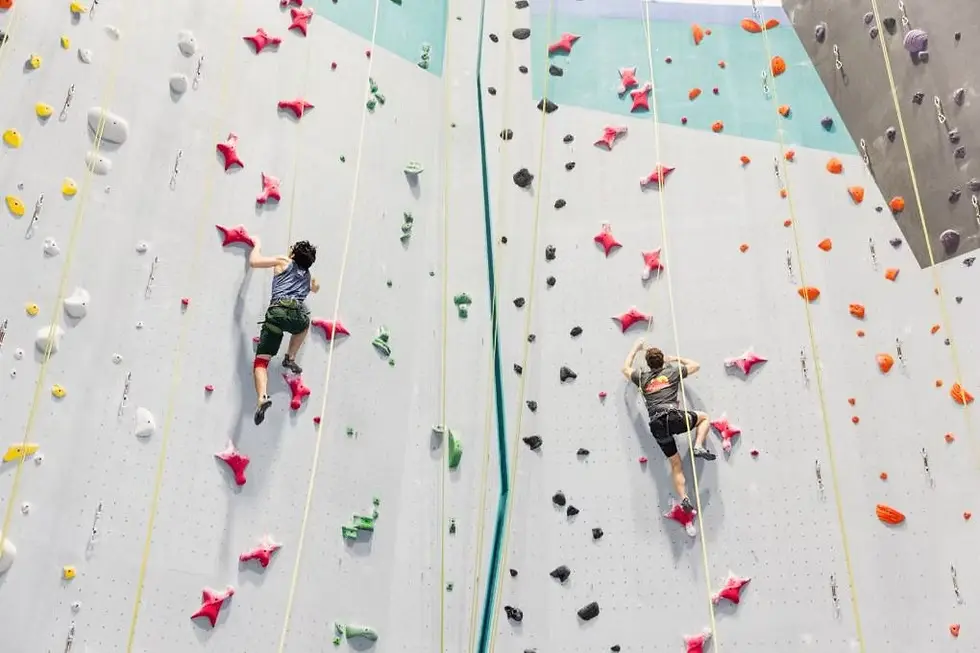
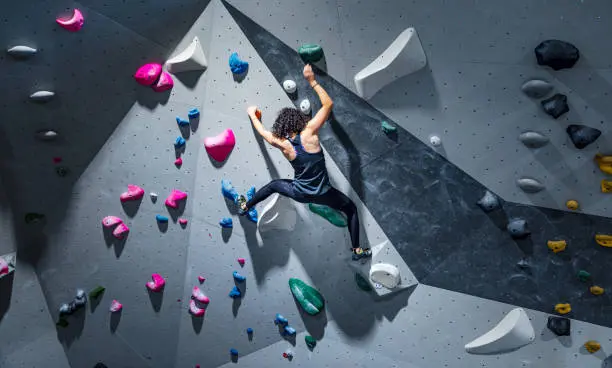
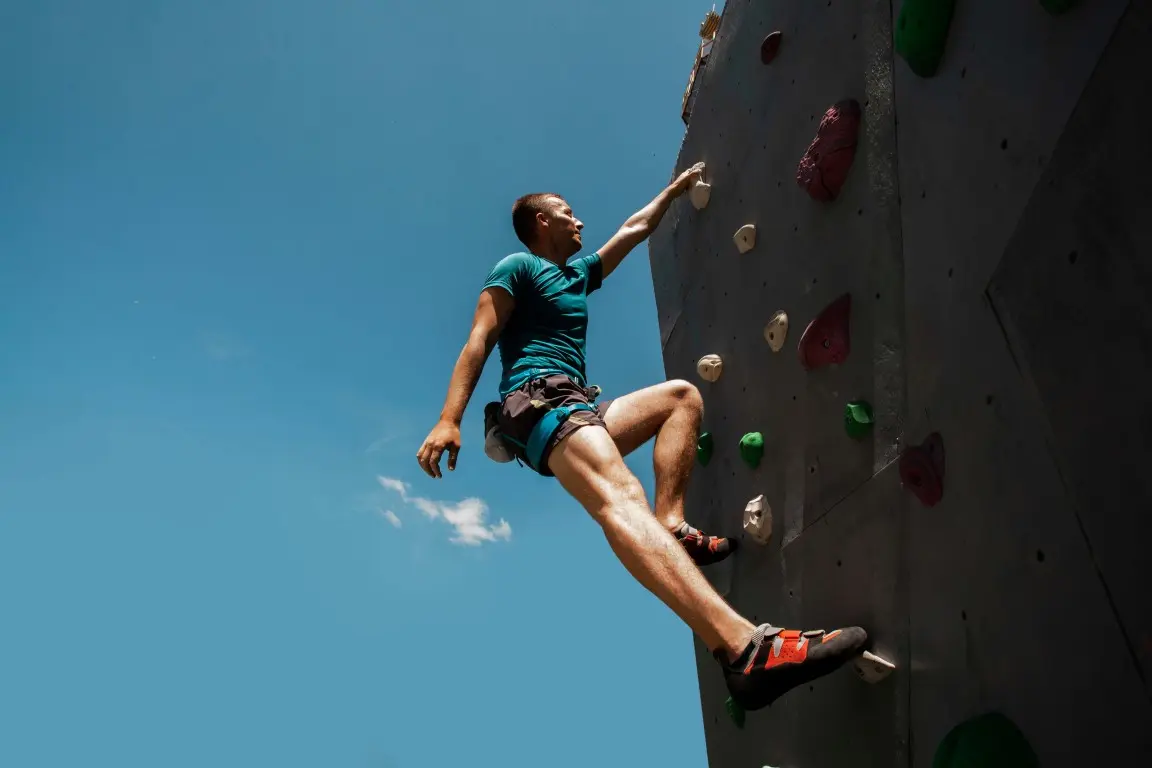
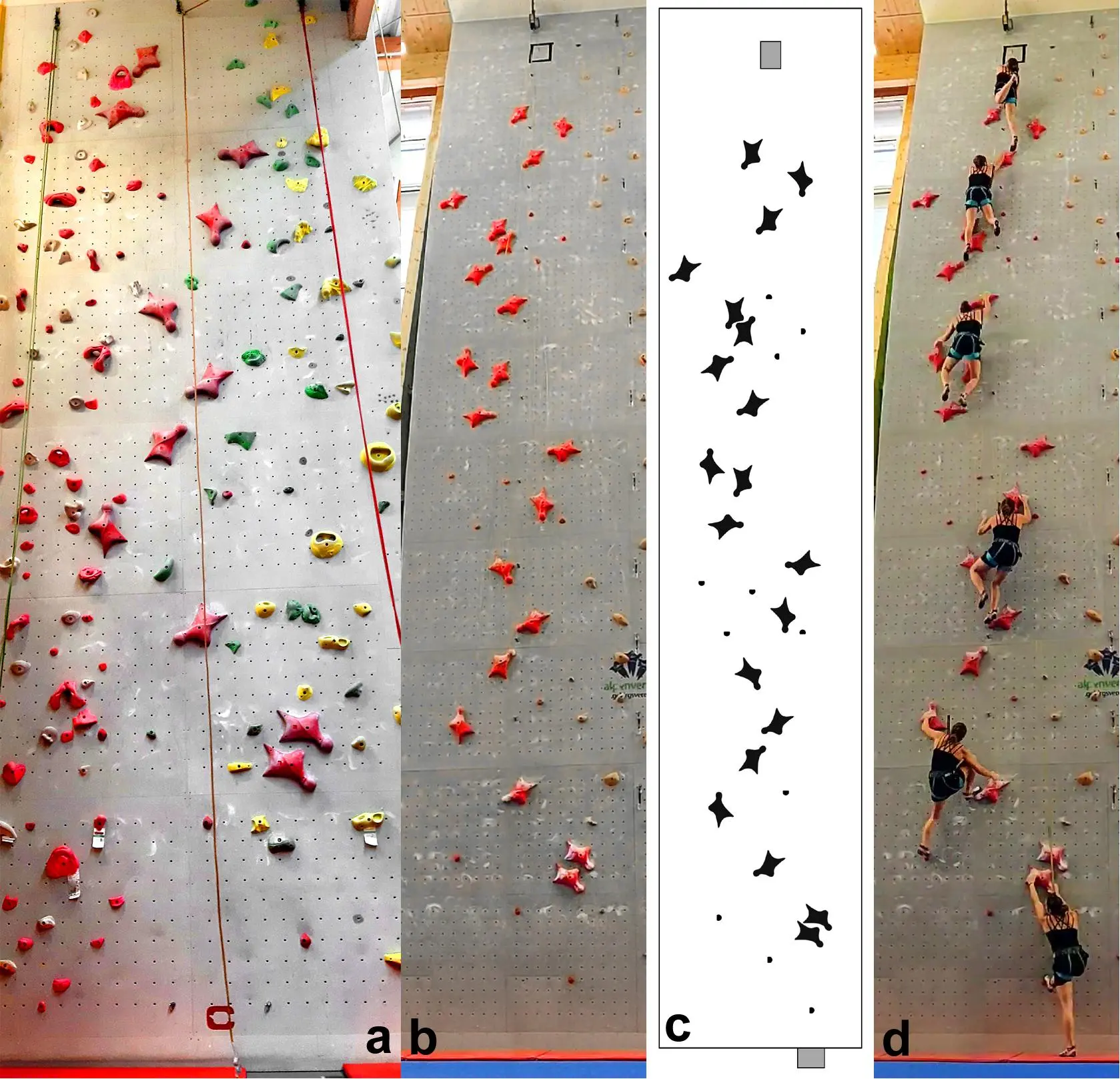
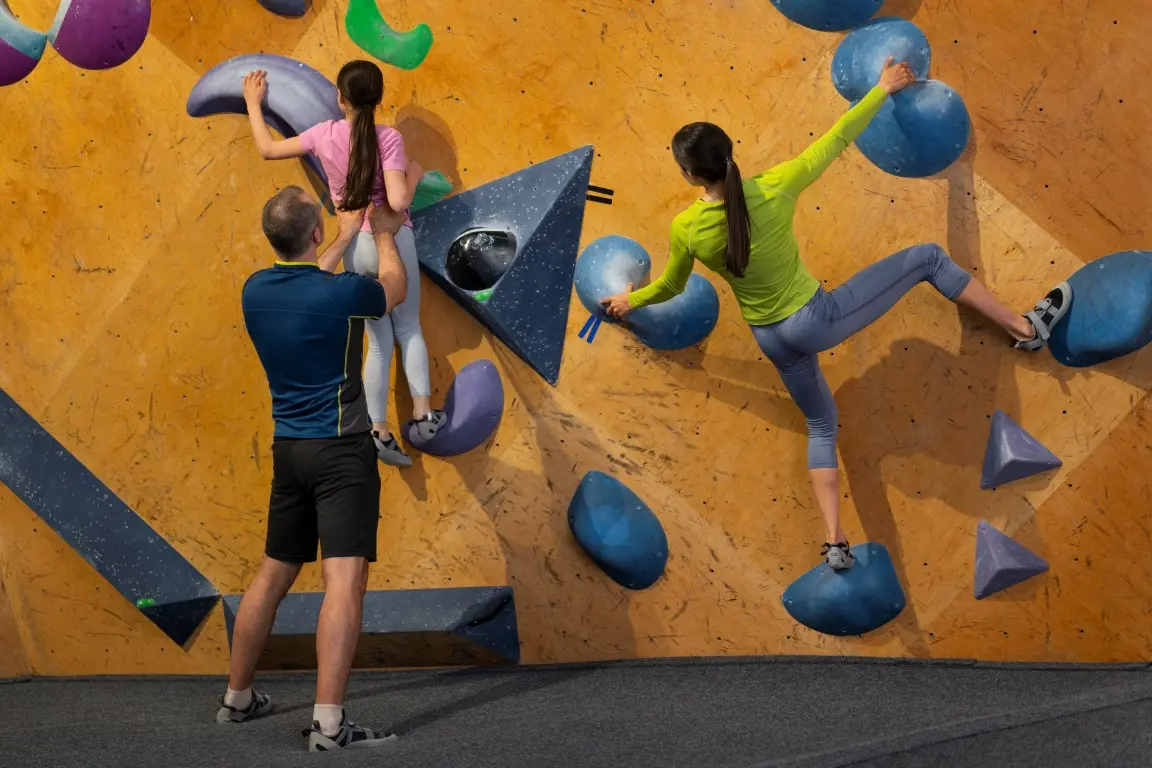
At its core, indoor climbing is like solving a three-dimensional puzzle. Each route, or “problem,” presents a unique challenge that climbers must figure out in order to reach the top. There are a variety of holds—such as crimps, slopers, and jugs—that climbers must interpret and use to their advantage. The climb itself is a series of decisions that require careful planning and mental agility.
Unlike many other sports, climbing involves constant decision-making, often under physical duress. A climber must assess each hold and movement, planning ahead while still being ready to adjust in the moment. There’s no “one-size-fits-all” solution. Just like in real-life problems, every climbing problem requires a personalized approach. This aspect of climbing makes it an ideal environment for cultivating problem-solving skills.
1. Strategic Thinking
When you approach a climbing wall, you don’t just start pulling yourself up at random. Instead, you plan—considering your body position, the next hold, and the sequence of movements you’ll need to complete the route. This is strategic thinking at its core.
Climbing requires you to think multiple steps ahead. Much like chess, each decision on the wall affects the next, and failing to consider the larger picture can result in mistakes or wasted effort. Climbers often have to plan and adjust strategies in real time. For example, if you attempt a move that doesn’t work as expected, you might have to quickly rethink your plan and change your approach.
This ability to analyze a situation, weigh options, and develop a game plan translates into real-life scenarios, especially in work and personal life. Whether you’re managing a project, solving a complex issue, or planning a personal event, strategic thinking developed in climbing can help you make smarter, more informed decisions.
2. Creative Problem-Solving
In climbing, no two routes are the same. This requires climbers to think outside the box and often come up with creative solutions to overcome difficult sections. For example, a climber may find that the typical approach to a route isn’t working—maybe they can’t quite reach the next hold or their body positioning is awkward. In these moments, climbers must adapt by using creative problem-solving.
Perhaps a climber needs to use a foothold in a way they hadn’t considered, or perhaps they realize that by shifting their body weight differently, they can conserve energy and reach higher. Just as in real-world problem-solving, creativity often leads to breakthroughs, especially when faced with obstacles that don’t have an immediately obvious solution.
Creative problem-solving in climbing can be directly applied to situations in work, school, or life where you may encounter unexpected challenges. Instead of getting stuck or frustrated, the creative approach encourages you to look for alternative solutions and unconventional methods.
3. Risk Assessment and Decision-Making
One of the most important cognitive skills involved in climbing is risk assessment. Each move you make has a certain level of risk associated with it—whether it’s the possibility of falling or misjudging a hold. As a climber, you must constantly evaluate the risk and make informed decisions about when to push forward and when to retreat.
For example, climbers often have to decide whether they should attempt a difficult move that could require significant strength or whether it’s better to take a more conservative approach to avoid injury. Risk assessment is not just about calculating physical danger; it’s also about making decisions that will lead to success while managing the possibility of failure.
This type of decision-making is highly transferable to everyday life, particularly in the workplace and personal matters. In business, for example, decisions often come with risks—whether it’s investing time and resources into a project or making a tough call about a team member. Indoor climbing teaches you to evaluate your options, understand the consequences, and act accordingly.
4. Adaptability and Persistence
In climbing, things don’t always go according to plan. You might try a route that looks straightforward but struggle to make it past a particular section. Failure is common in climbing, and each failure presents an opportunity to adjust your approach and learn from the experience.
Adaptability is key in these situations. If one approach doesn’t work, climbers learn to quickly adjust their technique, change their body positioning, or try a different route. This ability to adapt and pivot in response to changing circumstances is a valuable problem-solving skill that applies directly to real-life situations.
Furthermore, persistence plays a crucial role in climbing. Climbers often face repeated failures before finally succeeding, but those setbacks don’t discourage them. Instead, they persist, reframe their approach, and keep pushing until they find a solution. This resilience and determination are just as important outside the climbing gym, whether in your professional life or personal challenges.
5. Focus and Attention to Detail
Climbing requires absolute focus. A single misstep or failure to notice a small detail can lead to frustration or failure to complete the route. Climbers must pay attention to the position of their hands, feet, and body at all times. Every hold and movement counts, and this sharp attention to detail forces climbers to concentrate deeply on the task at hand.
In problem-solving, attention to detail is often the difference between success and failure. Small details that might be overlooked in a complex problem can be the key to finding a solution. Through indoor climbing, climbers develop a heightened sense of focus and an ability to zoom in on the little things that matter most.
In climbing, failure isn’t something to be feared; it’s an integral part of the learning process. Climbers fall, miss holds, and struggle to reach the top time and again. However, each failure teaches a valuable lesson—whether it’s realizing that a different technique is needed or that a route was attempted in the wrong sequence.
This mindset is crucial for effective problem-solving. In the real world, failure is often a stepping stone to success. Instead of becoming discouraged, climbers learn to embrace failure as part of the journey. They adjust, learn from their mistakes, and come back stronger. This growth mindset is essential in developing strong problem-solving skills, as it helps individuals approach challenges with resilience and determination.
The problem-solving skills developed in indoor climbing don’t just stay within the walls of the gym. Many climbers report that their experiences on the wall have made them better at tackling challenges in everyday life. The strategic thinking, creativity, risk assessment, and persistence required in climbing are transferable to a wide variety of situations.
For instance, strategic thinking and adaptability are key when managing a project at work. Creative problem-solving can help you find new solutions to personal challenges, and persistence can help you push through tough times. The ability to focus on the details, assess risks, and think critically about your options is valuable in nearly every aspect of life.
Indoor climbing offers more than just physical fitness; it provides a mental workout that sharpens problem-solving skills. Whether it’s planning your next move, finding creative solutions to difficult sections, or adapting your strategy when things don’t go as planned, the cognitive benefits of climbing are undeniable. By engaging in indoor climbing, you’re not only strengthening your body but also training your mind to think critically, adapt quickly, and solve problems with confidence.
So next time you’re at the climbing gym, remember: you’re not just scaling a wall; you’re developing valuable skills that will help you navigate the challenges of life with ease.

If you have questions or want to explore future possibilities, feel free to connect with me on call.